Specializing on Brain Transplantation and Reviving Broken ‘Souls’
Lalitha M
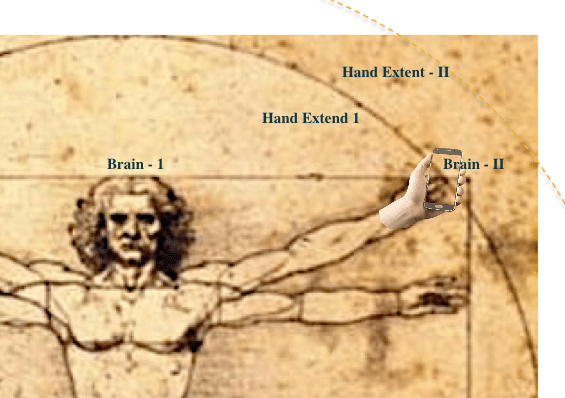
The day has arrived to bid adieu to my four-year-old Android phone, which completely crashed on the road. It was no less than a tragic scene to see the dear phone meeting with an accident in front of your eyes. I can repeatedly visualise the incident in slow motion with shock and no sound in the background. When I took the phone from the ground, an entirely crushed body with a broken spine (bent in the middle part), the bleeding glass pieces which were scattered around, made it more difficult to hold it in my hands. As an emergency first aid, I tied it up in a plastic cover, preventing the glass pieces from falling apart. The broken screen blinked a couple of times, and went unconscious, fearing that it had already left me with all the memories I shared with it. The only hope was that it still could recognise my touch (fingerprint), it tried to respond, but I could only see the light that passed through the veins of the broken screen. Immediately tried to give CPR by myself, connecting it to the laptop through a USB wire to make sure it stayed alive until I took it to the repair shop, which didn’t work. Here was the actual fear of losing data with most of the important information and details on my mobile, as I could not remember everything in my brain. It’s an extension of my brain.
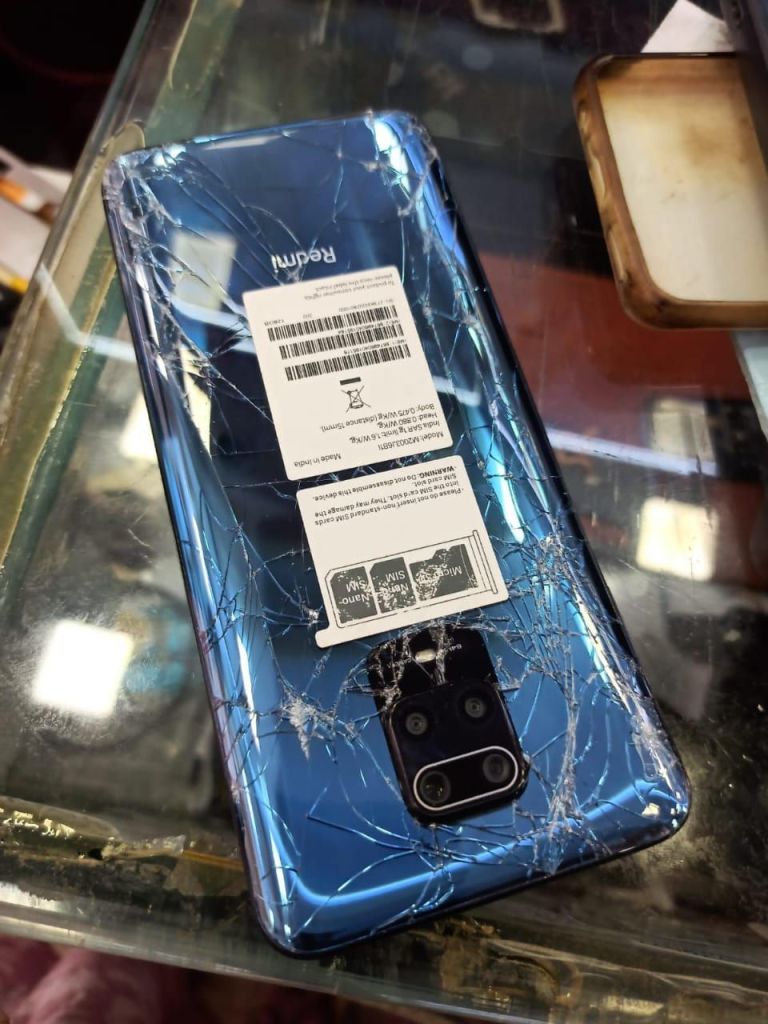
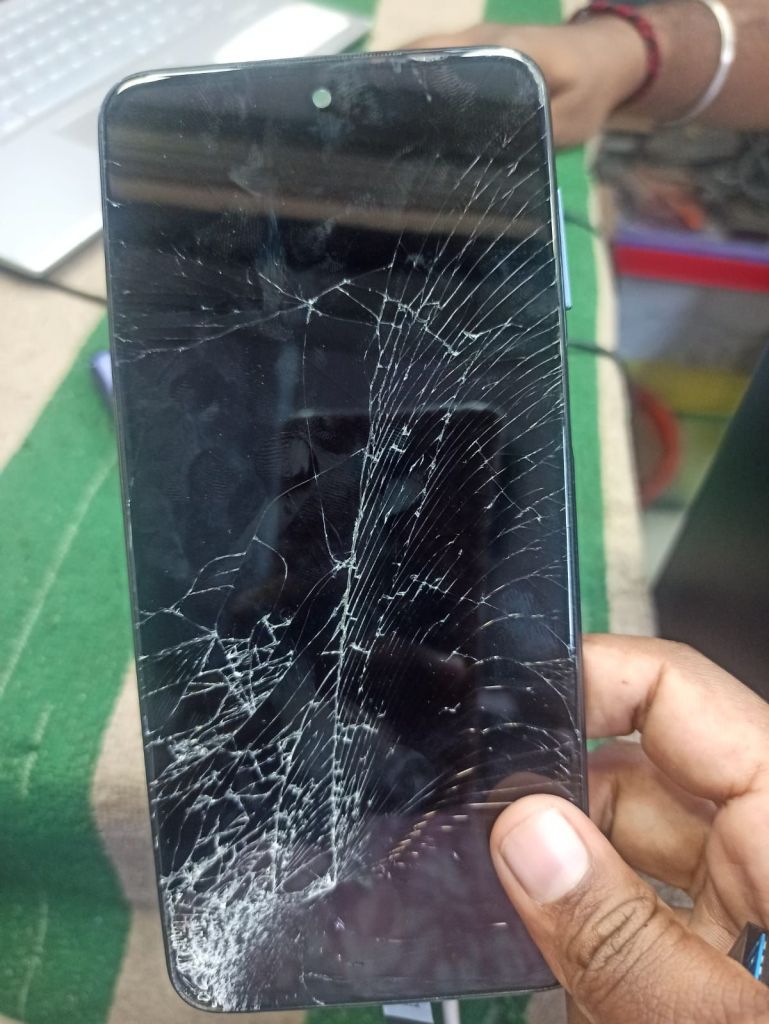
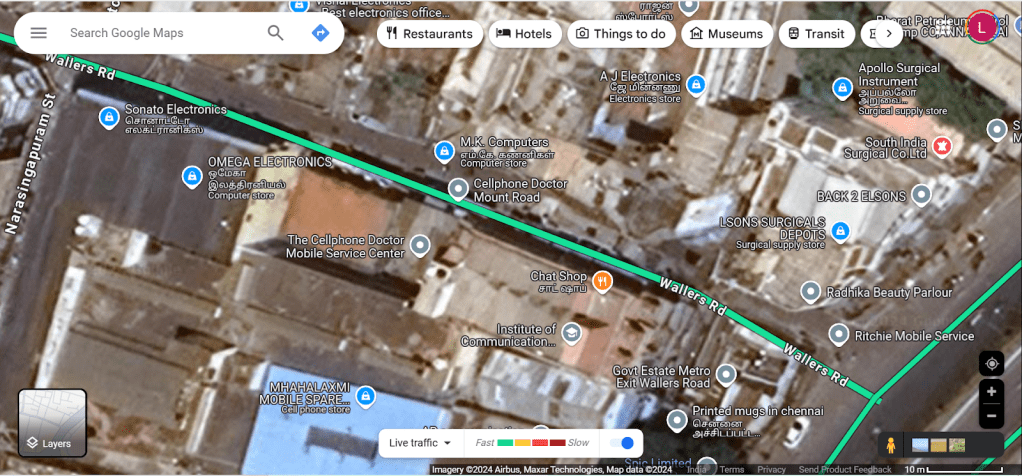
Left devastated by the incident, I soon reached out to my friends, and one suggested taking it to his ‘tech’ friend, studying at IIT Madras, who refused to retrieve it as it was an impossible task for him to do. Another reference was taking it to ‘Cellphone Doctor’ located on Ritchie Street. Being very certain that it’s impossible to fix up the body parts, the maximum one could try is to retrieve its soul (phone data) with all the memories it had stored up in it. I reached Ritchie Street, which is famous in Chennai for its cheaper phone services and electronic items, where you will get your work done in one or the other shop. Carrying that hope, I entered Wallers Road, and soon I spotted ‘The Cellphone Doctor’ shop on my left, but the Google map directed me to walk further, taking a right from the police booth, which is a prominent landmark in the area. However, I found another ‘Cellphone Doctor’ shop within a few meters on my right side. Many had tried to pull me into their shop, but I wasn’t in the free state of mind to explore and find the best service shops, as in that critical situation, my phone needed a ‘doctor’. To avoid the delay in searching for it further, I decided to take it to a ‘Cellphone Doctor’ shop located closer by, it was too small and narrow in size, but that didn’t matter for the service it provides. Even a foot-sized space on Ritchie Street has a rental value, and trespassing the line would spark the heat with the next person’s shop. The service person later shared that their shop was the oldest one to have this name, later it got appropriated by a few others by adding “the” in front of Cellphone Doctor so we couldn’t fight against it.
It was around 1:30 pm in the afternoon, and there was a young guy and an old man sitting in the shop. I explained the case and asked them to retrieve the important memories (data) from my dying phone. The young man asked for my phone model, which was a Redmi Note 9. He then inquired if the older man had a similar model in their shop. After checking to see if my phone was still charged and could recognize my fingerprint, he took a phone of the same model to use as a “body double” for the operation. I felt clueless about how they planned to do it, but noticing their calm approach – unlike my own hopelessness – I sensed that they had encountered many worse cases before. It seemed that retrieving my data was challenging yet not entirely impossible.
The young guy dismantled the body parts of the broken phone and took out the brain (motherboard) carefully using a sharp tool. It was a small and thin rectangular green-coloured object that looked like it was configured with multiple neurons with bright nodal points in the brain. He then showed me that and said “This contains all your data”. The old man passed the exact ‘body double’ to proceed with the operation. Meanwhile, he checked my laptop where the data should be transferred, he found out that it didn’t have the required storage capacity. He suggested buying a new Sandisk Pen Drive with 128GB storage to copy the data, which is Rs 900. He further said that I would get the good quality from the store that is near the police booth, I was a bit reluctant to leave my broken phone in that state and leave the place. With a tired face, I asked him if he had anyone in the shop to buy the pen drive for me and I would give the money, he then sent one of his persons to buy the pendrive with Rs 1000 and asked him to call after reaching the shop. It was a relief when he agreed to go, like a hospital staff helping a single woman to buy doctor-prescribed medicines, so I could stay closer to my broken phone observing how it was handled.
Others in the complex were moving one by one to have lunch. A small wooden plank was fixed to the opposite wall with a chair, where two people could eat their lunch. Meanwhile, the young doctor, who had transplanted the brain (motherboard) into the ‘body double’ phone, secured it in place using rubber bands like temporary stitches. He asked me to unlock the phone by entering my pattern. It felt like magic when it unlocked, revealing the body double’s display with the same features as my old mobile—the same theme and apps arranged exactly where they used to be. At that moment, I felt as if the soul of my mobile was still alive and that the memories could be extracted. A helper returned with a new USB drive and wanted to keep the remaining 100 rupees. However, the doctor gave the money back to me and paid the helper separately.
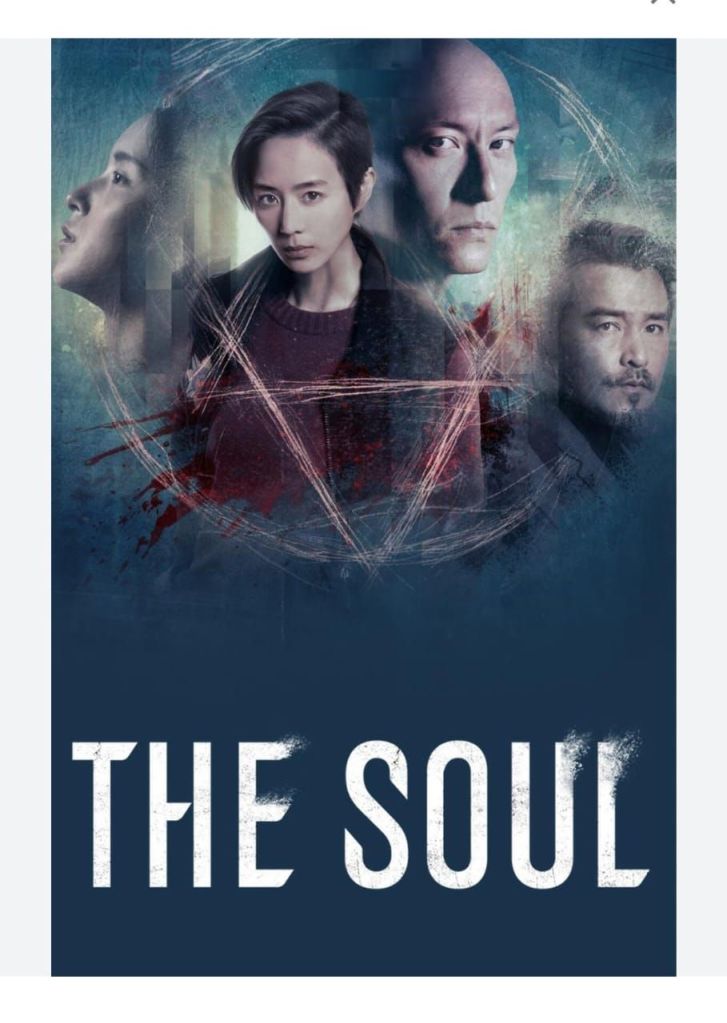
Till here, the brain transplantation had been successfully completed, and the procedure seemed simpler than I had feared. However, the real challenge of “reviving its soul with memories” began from here. It reminded me of the Chinese movie “The Soul” (2021), which is about transferring a loved one’s soul from a dying body to live out the remaining life. The significant problem was the phone storage, which contained thousands of photographs and large files that repeatedly obstructed the revival process. It had already been over two hours since my phone was admitted, exceeding the initial estimated time provided by the main doctor.
He asked if I had eaten lunch yet; if not, he encouraged me to do so, as the transfer would take longer than anticipated. They offered me a place at a wooden plank area, which he referred to as their dining table to have my lunch. Time crossed 4 pm, and the doctor had his lunch sitting inside his shop so I could eat my packed lunch in their dining area. Afterwards, several customers started to come in with different issues, and the doctor attended to them. Meanwhile, I anxiously watched my laptop screen as the percentage of files being received fluctuated; sometimes it increased slowly, and at other times, there was no response at all.
In the evening, many people started to come to the area, parking bikes in front of the shops was becoming a great problem. There was another vendor whose shop was no larger than a small table with a few mobile displays and a chair. He often scolded customers for parking their bikes in front of his shop and then going into the complex. He repeatedly expressed his frustration, saying he pays 3,000 rupees in rent and that customers wouldn’t visit his shop if there were parked bikes blocking the entrance. I stood patiently during this time. The vendor said, “You won’t know how much data your phone has; only we know it. That’s why I said you should first see what you want to recover. Try to transfer as much as possible before it stops working.” As time passed, the file transfer percentage gradually increased, freeing up space for transferring other smaller files. Then the tea vendor, who sells tea to all the shops, arrived. The doctor ordered tea for me and insisted on not taking any money, saying that they buy it for their customers.
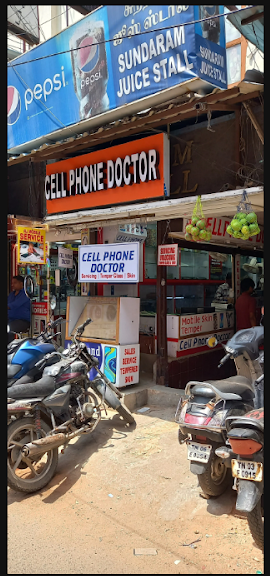
After seven hours of work, we successfully retrieved most of the memories from my broken phone and saved them to a pen drive. The cellphone doctor charged me 600 rupees for this operation, which I initially thought would cost more than 1,000 rupees. He also mentioned that I could sell my broken phone for 1,500 rupees, as other parts might be in demand, especially for this model. I was surprised to learn that an 18,000 rupee phone, after four years of use and a complete breakdown, could still be sold for 1,500 rupees. It seems that even though the phone was damaged, its other components still have value and can be reused in a different device.
 Refurbishing Time
Leave a comment